A Little Taste of Home | Property Valuation Manchester
A Little Taste of Home


The story of Failsworth Lodge weaves together the rich past and promising future of Failsworth itself. Once a humble hamlet of wool spinners, Failsworth has gradually transformed into a vibrant, cosmopolitan hub, evolving with time while embracing its roots. The history and legacy of Failsworth Lodge stand as a testament to this journey, capturing the essence of the area’s growth and its steady march towards gentrification.
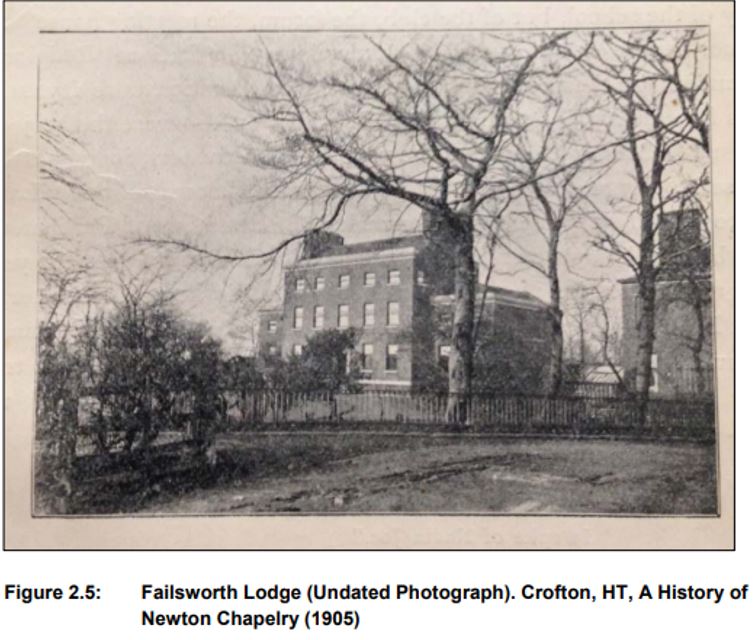
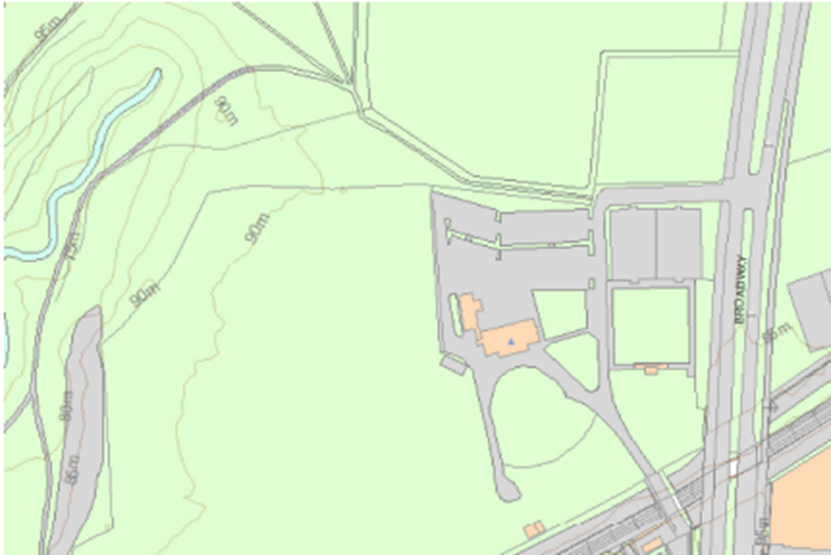
Failsworth Lodge was originally a high status property, located in an expansive open area which included its Dower House, a mill, lakes and cottages. However the urbanisation of the twentieth century, including increasing urban development in the wider area, and most significantly the development of the A663 to the east and railway line to the south have resulted in dramatic change, severing the relationship between the house and wider landscape.
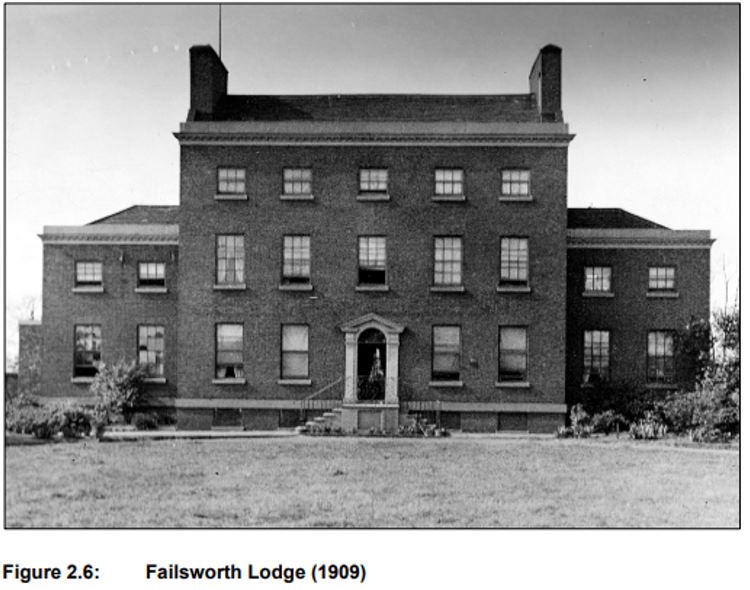
Captain Josiah Birch built Failsworth Lodge in 1770, making it one of the first Georgian brick houses in the area. Higson described it as “the best house in the township,” symbolizing prestige and innovation. The stone lintel, carved with the date 1770, still stands as a reminder of its origins. After Birch’s death, John Heywood Esq. purchased the estate, including the Lodge, for £13,000, a substantial sum at the time.
By 1824, Failsworth Lodge had transformed into a girls’ school run by Messrs Bury. In 1872, Joseph Grimshaw, a prominent Failsworth hatter, took up residence. There are also rumors that Sir Robert Peel, the British Prime Minister, attended when the Lodge briefly served as a boys’ school, though no documented evidence supports this.
In 1936, Sir Roy Dobson, works manager at AV Roes, acquired the property. By 1950, the Lodge had become a staff clubhouse, renamed the “Lancaster Club” in honor of the Lancaster bomber built by the company. This iconic four-engined aircraft, renowned for its role in the 1943 “Dam-buster” raid, became the RAF’s principal heavy bomber during World War II, making history with its specially designed bombs that destroyed Germany’s Ruhr Valley dams.
The earliest available Ordnance Survey map, dated 1848, reveals the presence of ‘Failsworth Lodge’ nestled within its historic parkland setting. Surrounded by sweeping fields and lush wooded areas, the Lodge stood apart from the bustling Failsworth to the south, separated by a generous stretch of open land. Nearby, several buildings, likely ancillary or residential, suggest a thriving estate. To the south, hints of a carriage circle grace the Lodge’s frontage, though faintly marked. The map also shows three distinct access routes from Oldham Road: a grand, tree-lined avenue leading directly to the Lodge, a western path connecting to Mill Lane, and an eastern route, perhaps serving nearby residences or the Lodge itself. This historic landscape offers a glimpse into a bygone era, where the Lodge was both a retreat and a focal point of the surrounding countryside.

By 1893, the Hollinwood Branch Railway transformed the landscape around Failsworth Lodge. The railway, 500 meters south, severed the estate from Failsworth, altering the open southern view. The map from this period shows significant development nearby. Despite the changes, the landscaped turning circle and two access routes remain intact. Two nearby residences, The Lodge and Grove House, are also marked. Ball (1973) notes a Dower House, built 30 yards away for the owner’s mother, though it no longer stands.

By 1952, the landscape had changed further. The A663 to the east divided the Lodge from the countryside, confining its setting. The house was now bordered by the railway to the south and Broadway to the east. Nearby ancillary buildings were demolished, and an extension was added to the Lodge’s west. The once-rich landscaping vanished, replaced by sports pitches. The original western access disappeared, though the turning circle and some trees remained. Urbanization surged, and the surrounding area developed rapidly.
The “Lancaster Club” became a bar and function hall, with the gardens serving as playing fields.

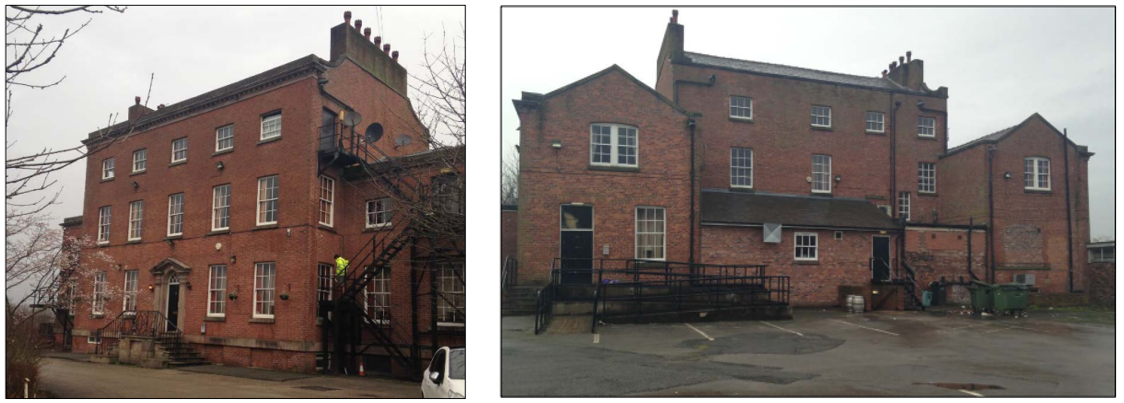
In 2015, Bellway Homes began redeveloping the area around the Grade II listed Lancaster Club, transforming open spaces into a residential community. The development incorporates a garden city design, with landscaped areas alongside the roads, creating a boulevard-like atmosphere. Surrounded by natural green spaces like Moston Brook and conveniently located near local schools and shops, the site offers excellent public transport links and easy access to Manchester and Oldham via the A62 and Broadway. Now fully completed, the development has significantly enhanced the appeal of the area as an attractive place to live.
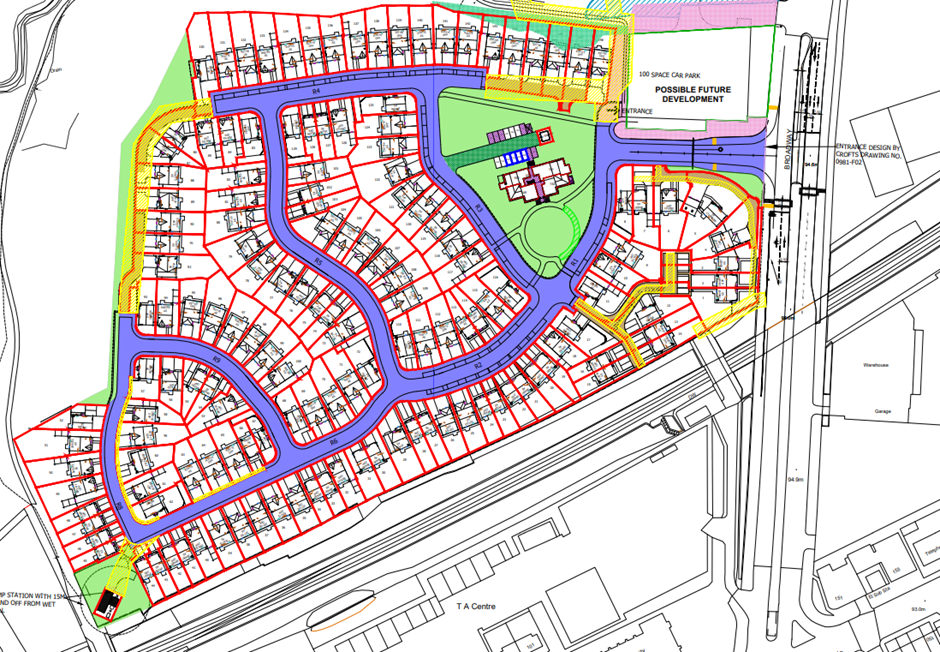
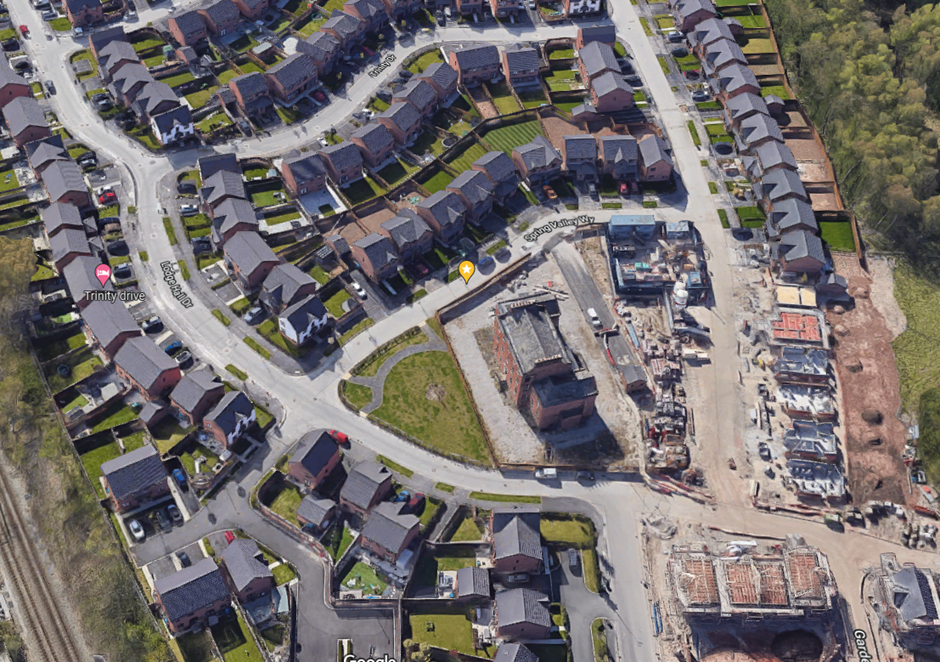
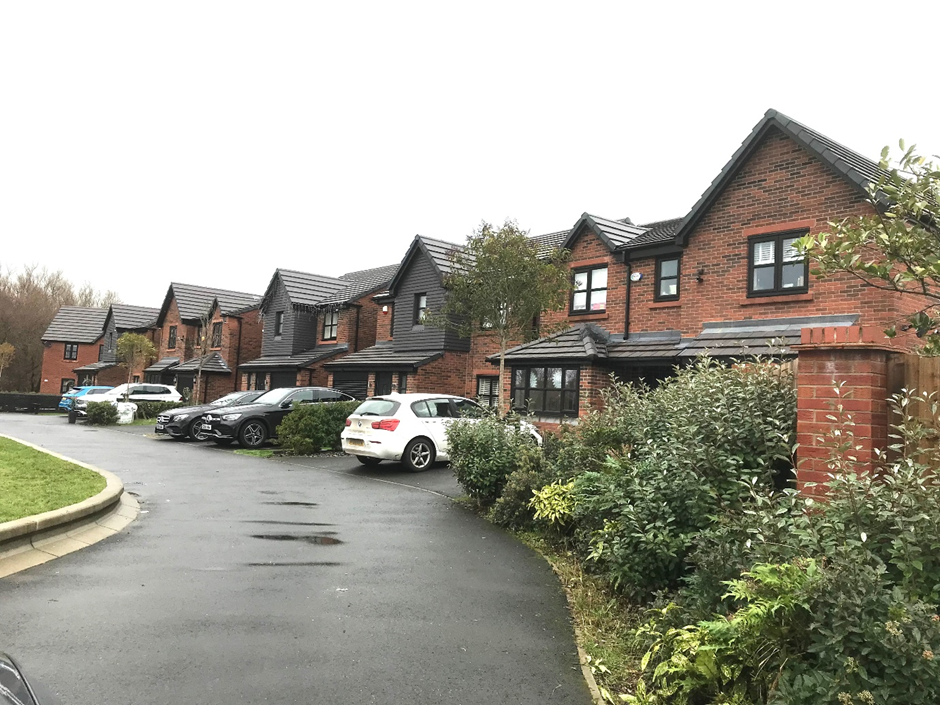
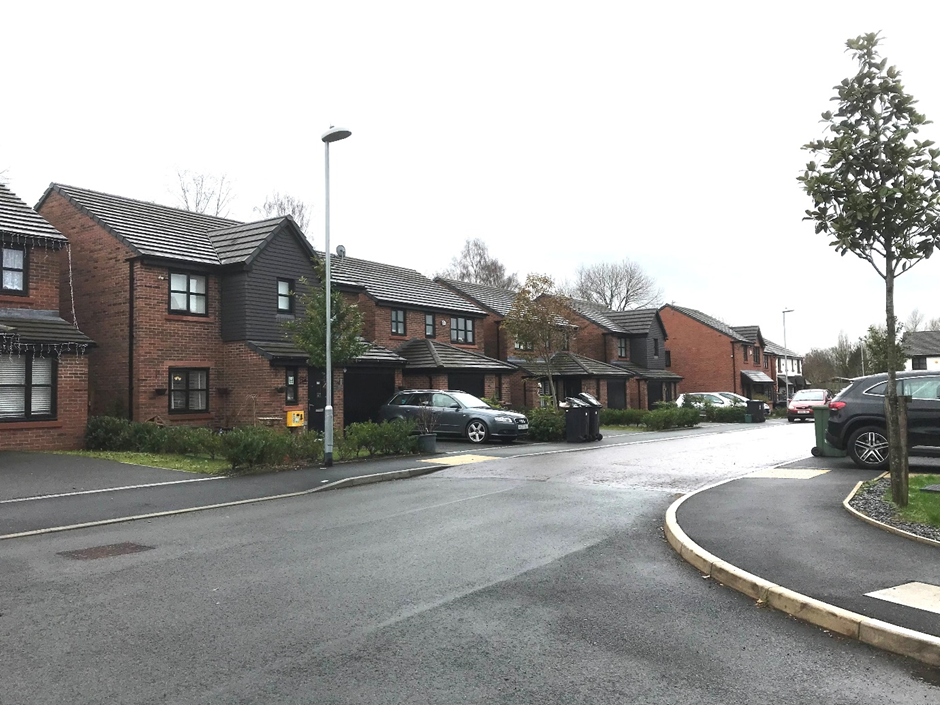
The beautifully restored “Lancaster Lodge” now serves its original residential role as “The Lodge.” Developers kept the name “Lancaster” to honor its history with the Lancaster Avro production facilities.
The private developer, who specialize in the restoration and development of local landmarks, have successfully woven the site’s historical significance into the fabric of the new development, creating a strong identity and sense of place that will inspire a lasting sense of community and pride among its residents.

Cousins Estate Agents have been accompanying this project, lending local expertise and advice to the buildings developers and will be marketing and managing the buildings reintroduction to the housing market.
Further enquiries via http://www.cousins.co.uk or Call/WhatsApp on 0161 681 2371.



Worried about the Renters' Rights Act 2025? Discover how landlords can still regain possession and how Cousins Estate Agents helps landlo...

Tenant Abandonment: When Your Tenant Disappears (But the Tenancy Doesn’t)