A Little Taste of Home | Property Valuation Manchester
A Little Taste of Home



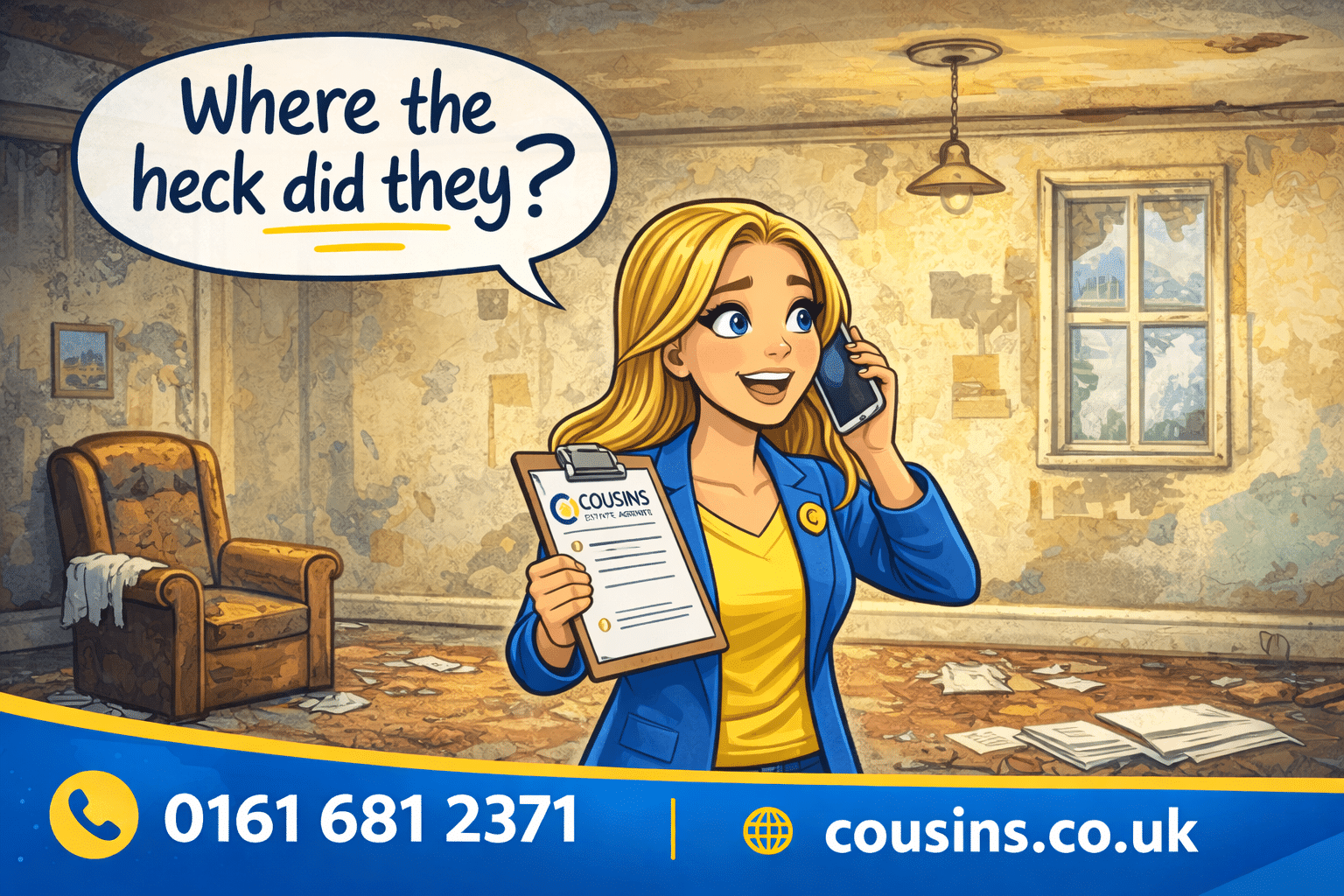
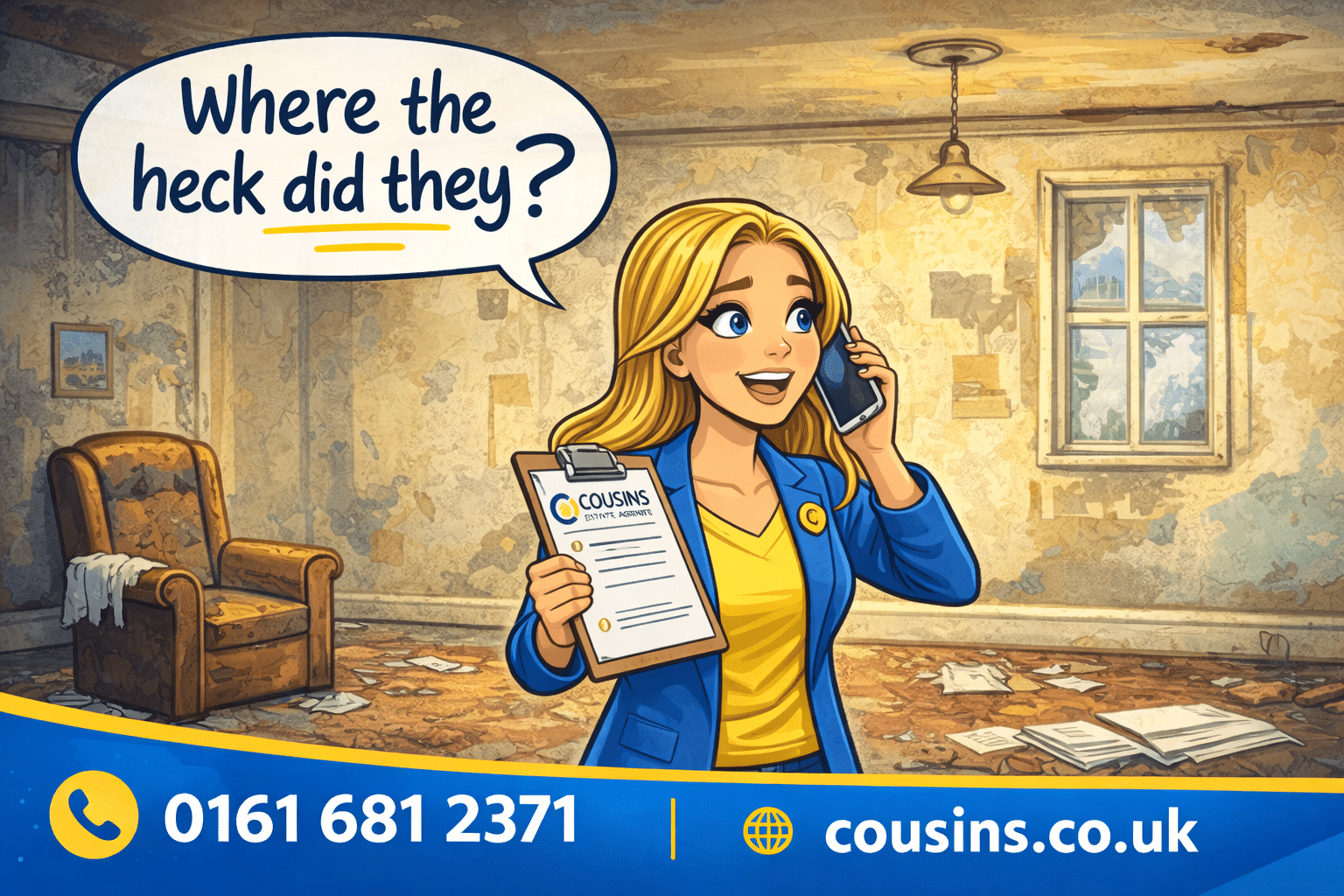
Being a landlord comes with its fair share of surprises. Boilers break, tenants lose keys, and occasionally someone tries to pay rent with a story instead of money. But few things are more confusing than turning up at your property and discovering… it looks like your tenant has vanished.
No furniture. No toothbrush. No sign of life.
The natural reaction is: “Great, they’ve gone — I can change the locks and re-let.”
Unfortunately, it’s rarely that simple.
Tenant abandonment is one of the most misunderstood situations in UK landlord law. Acting too quickly can land a landlord in serious legal trouble, including unlawful eviction claims.
Let’s walk through what abandonment actually means — and what landlords should (and should not) do.

Abandonment happens when a tenant leaves the property without formally ending the tenancy and without telling the landlord.
However, in legal terms, the tenancy does not automatically end just because the tenant has disappeared.
Under Section 5(3) of the Housing Act 1988, a tenancy continues until it is properly ended by one of the following:
If none of these have happened, the tenancy usually still exists, even if the property appears empty.
Yes, frustrating. Welcome to landlord life.
The key legal concept here is surrender.
A tenancy can end if the tenant surrenders the property, either:
This is the simple scenario.
The tenant signs a written document confirming they are giving up the tenancy.
Everyone shakes hands and moves on.
Sadly, this rarely happens when a tenant disappears.
This is where things become more subtle.
A tenancy can end if both landlord and tenant behave in a way that clearly shows the tenancy is over.
Examples might include:
The key legal test is “unequivocal conduct” — meaning behaviour that clearly shows the tenancy has ended.
Courts have confirmed this principle in cases such as Chamberlain v Scalley (1992).

Here’s the danger.
If a landlord assumes abandonment and re-enters the property too early, the tenant could claim illegal eviction.
This can happen even if:
A tenant could still argue they were:
If the landlord cannot prove they had reasonable grounds to believe the tenant had permanently left, they could face:
So caution is essential.
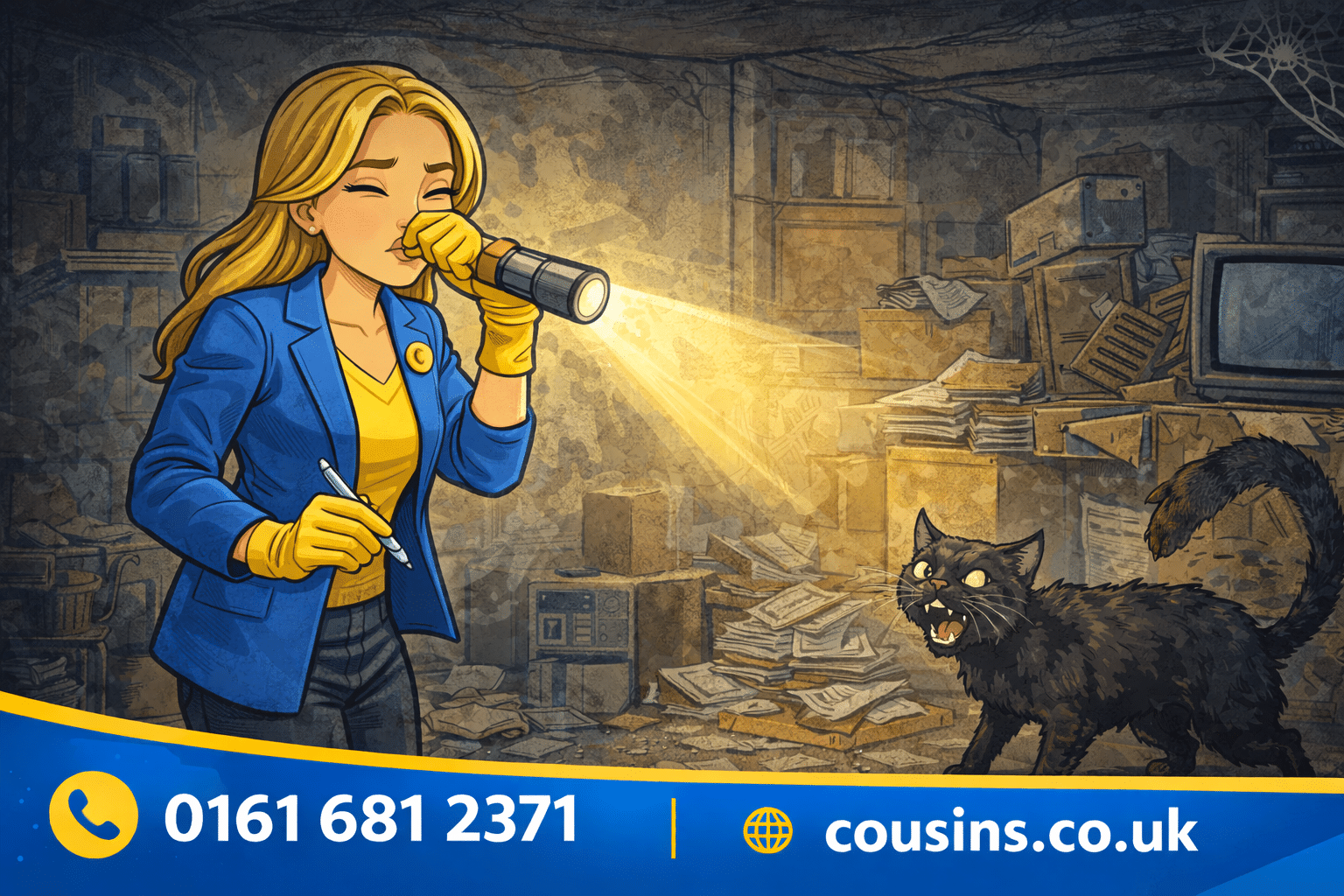
There is no definitive checklist, but landlords should look for strong evidence, such as:
The more evidence you gather, the safer your position will be.

Before taking possession, landlords should make reasonable enquiries to locate the tenant.
This could include:
Document everything.
If things ever end up in court, evidence is your best friend.
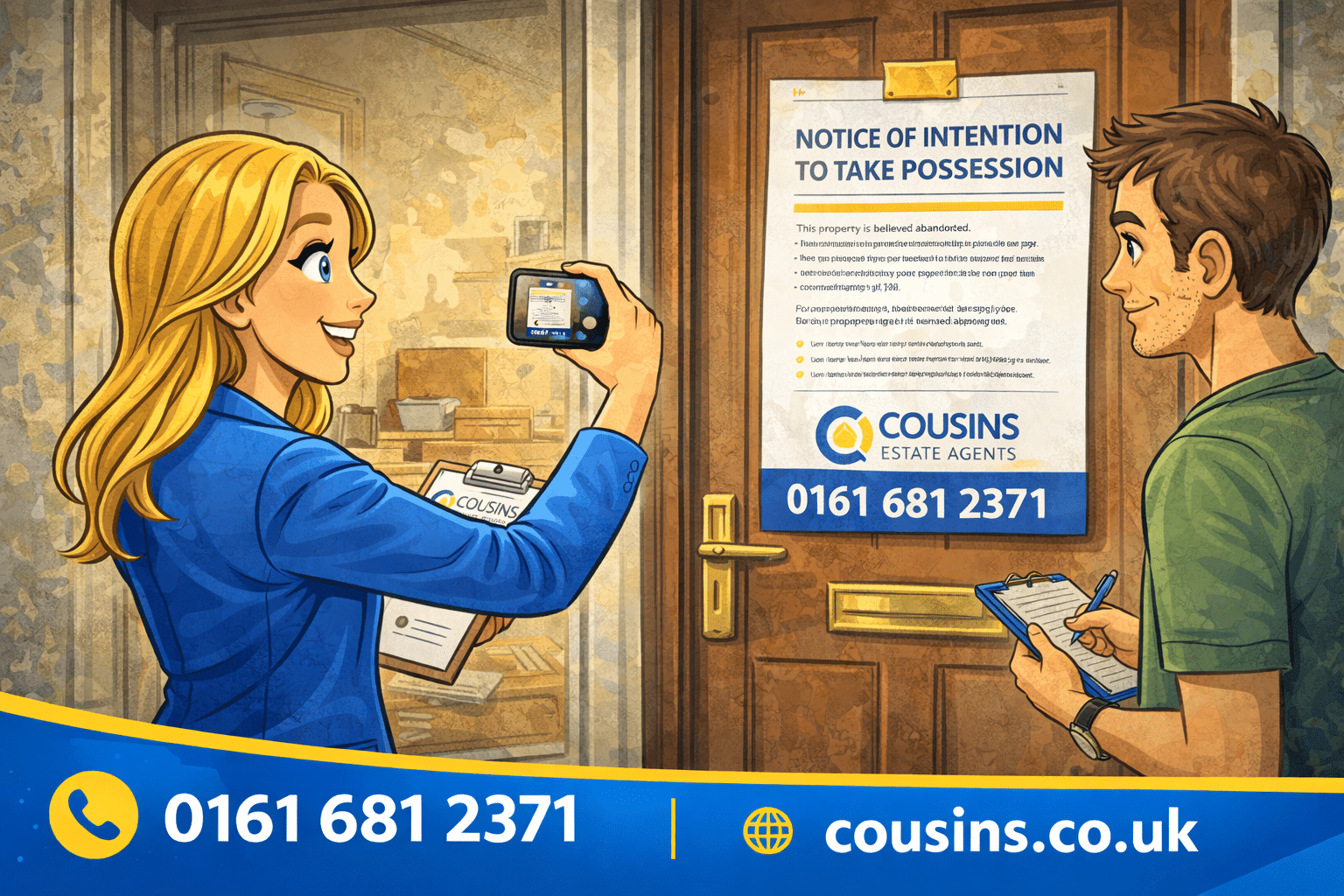
If you genuinely believe the property has been abandoned, it is sensible practice to leave a notice at the property.
Typically titled:
“Notice of Intention to Take Over a Flat/House”
The notice should include:
Ideally:
These small steps can provide valuable protection later.
If personal items remain in the property, you cannot simply throw them away.
Under the Torts (Interference with Goods) Act 1977, landlords must give the tenant a reasonable opportunity to collect their belongings.
What counts as “reasonable” isn’t strictly defined, but many landlords allow 14–28 days.
After proper notice, the landlord may be able to sell or dispose of the goods, though proceeds should be accounted for.
If there is any doubt at all, the safest route is still the traditional one:
Serve notice and obtain a court possession order.
Yes, it’s slower.
But it is far cheaper than defending an unlawful eviction claim.

Tenant abandonment is one of those situations where common sense and the law don’t always align.
A property that looks empty might legally still be occupied.
The key rule is simple:
Never assume abandonment without strong evidence.
Take reasonable steps, document everything, and if there is uncertainty — use the formal possession process.
It may feel frustrating in the moment, but it keeps you firmly on the right side of the law.
And that’s always preferable to explaining to a judge why you changed the locks.
If you’re unsure how to handle a suspected abandoned property, a professional letting agent or solicitor can guide you through the process safely.
Because when a tenant disappears, the last thing you want is the legal headache that follows.



Worried about the Renters' Rights Act 2025? Discover how landlords can still regain possession and how Cousins Estate Agents helps landlo...

If you’re a landlord right now, I know exactly what you’re thinking. Every industry newsletter, every forum, every conversati...